

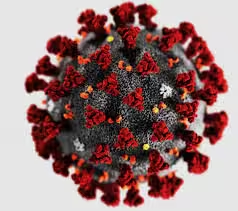
Infection with coronavirus, this very serious pandemic, has occupied the global medical community in recent months.
Coronaviruses are a large family of viruses that can cause disease in both animals and humans. When a person is infected, symptoms can vary from mild, such as those of the common cold, to very severe.
What is the novel coronavirus 2019-nCoV?
This new strain is called 2019-nCoV and was detected following the recent outbreak in the Wuhan area of China in December 2019. The 2019-nCoV belongs to the same virus family as the virus causing Severe Acute Respiratory Syndrome (SARS-CoV), but it is not the same virus.
Infection with 2019-nCoV may cause mild symptoms, such as a runny nose, sore throat, fever, and cough. Some patients may develop severe symptoms, such as pneumonia or difficulty breathing. Rarely, it can lead to death. Groups more vulnerable to severe disease include the elderly and individuals with underlying conditions such as diabetes, cardiovascular disease, or immunosuppression.
Modes of Transmission
Studies indicate that SARS-CoV originated from civet cats to humans in China in 2002, while MERS-CoV came from camels to humans in Saudi Arabia in 2012. Scientific research shows that many coronaviruses exist and circulate in animals but have not yet been transmitted to humans.
The source of 2019-nCoV in animals has not yet been identified. This does not mean that 2019-nCoV is transmitted by any animal or by your pet. It is most likely that human transmission occurred from an animal at a live animal market in China.
2019-nCoV can be transmitted from person to person, usually after close contact, primarily through the respiratory tract. It spreads mainly via contact with an infected person, through droplets produced when a patient coughs or sneezes, or through saliva or nasal secretions. In addition to the respiratory route, the virus can enter the host when tiny droplets come into contact with the eyes, especially the conjunctiva. To prevent transmission, it is extremely important to apply strict personal hygiene measures.

Coronavirus and the Eyes
According to the American Academy of Ophthalmology, 3% of infected patients present with viral conjunctivitis. In these cases, patients experience eye discharge, redness, eyelid swelling, and generally the full symptoms of an ocular surface infection. These symptoms may also accompany a more serious general condition, such as an upper respiratory infection. The infection is highly contagious and can affect the other eye or even household members.
Visiting an Ophthalmologist
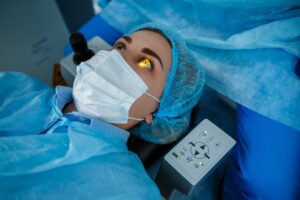
Protecting our health, as well as the health of those around us, is everyone’s responsibility. According to the guidelines of the Ministry of Health and the Hellenic National Public Health Organisation (EODY), visits to various specialists, including ophthalmologists, should occur ONLY when urgent or if a follow-up is necessary for a chronic vision-threatening condition.
If a visit is deemed necessary, certain basic precautions must be followed to prevent disease transmission:
The clinic must be thoroughly disinfected and cleaned using bactericidal and virucidal solutions. Magazines and other objects in the waiting area that could facilitate virus transfer should be removed.
Patients should disinfect their hands with antiseptic solution upon entering the clinic.
Patients should avoid crowding in the waiting area; appointments should be scheduled to prevent congestion.
Ophthalmologists must take all recommended protective measures. Masks protecting against exhalation from the patient or doctor must be worn by all staff. During examinations, medical and nursing personnel must use disposable gloves.
After each examination, all surfaces, equipment, and instruments used must be meticulously disinfected with alcohol-based solutions.
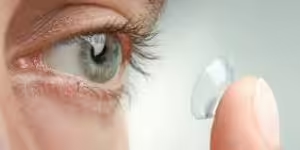
Contact Lens Users
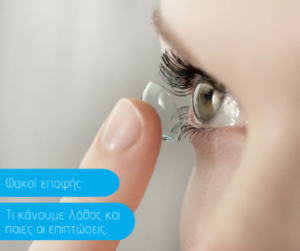
Contact with the eyes may facilitate virus transmission. Therefore, contact lens use should ideally be avoided during this period. If this is not possible, daily disposable lenses should be used to minimise surfaces and media that the virus could contaminate. Daily disinfection of any auxiliary glasses used by the patient is also necessary.
General Guidelines
Coronavirus transmission is extremely easy. Contact with the eyes should be avoided. Patients who use eye drops, where such contact is unavoidable, must thoroughly wash their hands and disinfect medications before use.
Everyone must responsibly protect themselves and those around them. This is a responsibility for all of us.

WHAT NOT TO DO*
- Avoid contact with individuals showing respiratory infection symptoms (cough, runny nose, fever, sore throat).
- Avoid crowded spaces, social events, home visits, and crowded outdoor areas.
- Avoid all non-essential travel, domestically and abroad.
- Do not visit a doctor or healthcare facility if mild respiratory symptoms appear (cough, runny nose, fever, sore throat).
- Strictly avoid visiting hospitalized patients.
- Strictly avoid contact with vulnerable individuals. If unavoidable, follow all personal hygiene measures (thorough handwashing, mask use, maintaining at least 2m distance).
WHAT TO DO*
- Wash hands regularly and thoroughly with soap and water or alcohol-based solution; avoid touching your face (eyes, nose, mouth).
- Cover coughs or sneezes with a tissue and discard it immediately; if unavailable, use the inner elbow.
- Stay home in isolation if mild respiratory symptoms appear (cough, runny nose, fever, sore throat).
- Seek immediate medical evaluation if symptoms worsen or if you belong to a vulnerable group (elderly, or individuals of any age with chronic conditions such as diabetes, cardiovascular or chronic respiratory disease, hypertension).
- Follow prescribed medications exactly as instructed by your doctor.
*Source: EODY