


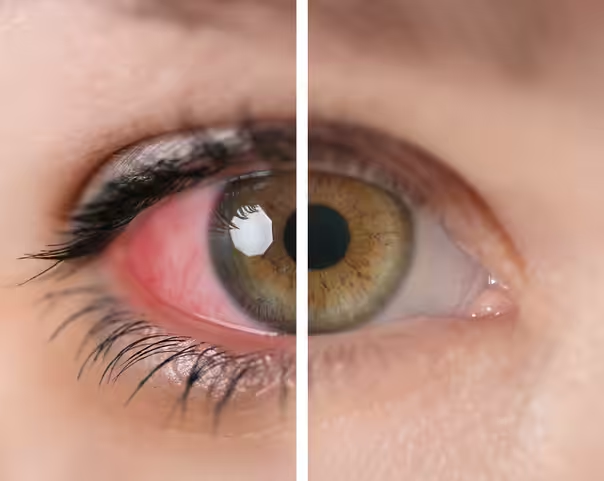
Conjunctivitis is an inflammation of the eye, specifically of the conjunctiva. The conjunctiva is a thin, semi-transparent mucous membrane that lines the inner surface of the eyelids and covers the anterior surface of the sclera, that is, the white part of the eyeball. This condition occurs very frequently and, in most cases, is not serious.
Irritation: Mild conjunctivitis is usually caused by irritants such as smoke, exhaust fumes, dust, or pool water. Management of these mild irritant forms primarily involves the frequent use of artificial tears and the removal of the triggering factor.
Trauma or Foreign Body in the Eye: Symptoms appear suddenly and include increased tearing and light sensitivity. Pain and photophobia are usually present in more severe cases.
Viral Conjunctivitis (Eye Infection): Adenoviruses are the most common culprits. These viruses can cause an upper respiratory tract infection that may precede, accompany, or follow the viral conjunctivitis. In epidemic forms (caused by adenoviruses 3, 8, and 19), transmission occurs easily—from one eye to the other and from the patient to close contacts. Due to the high risk of contagion, patients must maintain strict hygiene. Special care should be taken with personal items such as pillows and towels that have come into contact with the infected eye or its secretions, while frequent handwashing or the use of alcohol-based hand sanitizers is recommended. Symptoms include a foreign body sensation, pain, pronounced redness, and eyelid swelling. Preauricular lymph nodes (in front of the ears) are often palpable. Symptoms can be significant, and the disease may last for up to a month. Viral conjunctivitis almost never causes permanent damage or threatens vision.
Bacterial Conjunctivitis: More common in children due to their weaker immune systems. Haemophilus influenzae was once a common cause, particularly in children under five, but its incidence has decreased thanks to vaccination programs. Bacterial conjunctivitis is effectively treated with chloramphenicol eye drops. Staphylococcus aureus (golden staph), one of the most frequent bacterial agents, causes inflammation at the eyelash roots (blepharitis). Staphylococcus epidermidis produces a similar but generally milder inflammation. Antibiotic eye drops combined with frequent artificial tears are the treatments of choice. Bacterial conjunctivitis can be as contagious as viral forms, so frequent handwashing and basic hygiene measures help prevent transmission from the child to others.
Allergic Conjunctivitis: Common allergens include pollen, cosmetics, household detergents, clothing materials, and pets. The main symptom is itching, often accompanied by a foreign body sensation, photophobia, and thread-like (filamentous) secretions. Seasonal conjunctivitis usually occurs in spring and autumn, with itching as the predominant symptom. Sometimes the cornea is also affected, resulting in vernal keratoconjunctivitis. Giant papillary conjunctivitis is another form, occurring in CONTACT LENS users and resolving after discontinuation of lens use. The cornerstone of allergic conjunctivitis treatment is avoiding the triggering allergen. Additionally, several medications can help reduce allergic episodes and alleviate symptoms. Mast cell stabilizers can improve or even prevent the onset of an allergic reaction. These agents are non-toxic to the ocular surface and safe. Classic antihistamines should NOT be used, as they can provoke allergic reactions on the eyelids and conjunctiva. Newer antihistamines, such as olopatadine, have prolonged antihistamine effects and are suitable for allergic conjunctivitis of any cause. In many cases, the use of corticosteroids is necessary to suppress inflammation but should be applied as sparingly as possible.
In most cases, conjunctivitis is not a particularly serious problem. However, complications can arise from careless management, especially from inappropriate or unnecessary use of topical corticosteroids. Corticosteroids, even those combined with antibiotics in eye drops or ointments, can accelerate lens hardening (cataract formation) and promote the development of glaucoma. Improper or indiscriminate use can also worsen the course of certain local infections, such as herpetic keratoconjunctivitis. These medications should NEVER be used without a prescription or empirically by non-specialists as a general treatment for a red eye.
Furthermore, contact lens use can exacerbate an otherwise mild conjunctivitis. Lenses—particularly rigid lenses—impede proper corneal “breathing” and cause irritation due to prolonged friction on the conjunctiva during blinking. This can transform a simple irritation into a serious allergic reaction.
Contact lens users should avoid wearing lenses if they experience discomfort or notice eye irritation (redness).