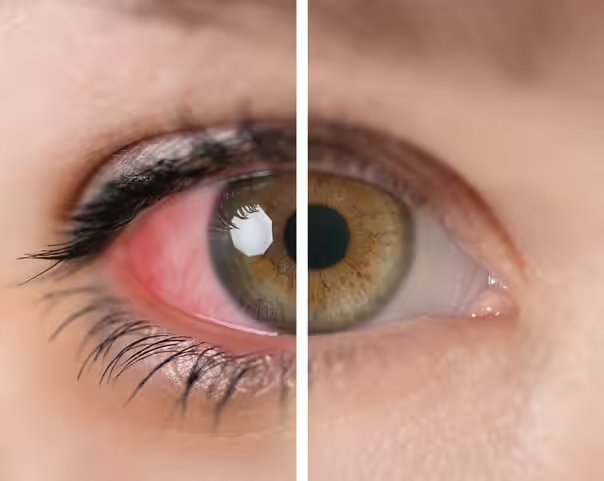
This is an inflammation of the anterior segment (the front chamber of the eye).
Often, the cause of the inflammation remains unknown (idiopathic inflammation). However, some of the main causes include:
- Fungi
- Parasites
- Viruses
- Trauma
- Surgical procedures
- Microbes – bacteria
- Certain systemic diseases or syndromes, such as tuberculosis, syphilis, rheumatoid arthritis, herpes zoster, HIV infection, etc.
Iridocyclitis can be either acute or chronic, and often both eyes are affected.
Symptoms vary depending on the severity of the condition:
- Photophobia (light sensitivity)
- Redness (may be more pronounced around the iris)
- Tearing
- Pain
- Blurred vision
Accurate diagnosis of anterior uveitis requires a series of safe and reliable examinations:
- Slit-lamp biomicroscopy: The doctor can diagnose the inflammation and assess its severity.
- Visual acuity measurement: To evaluate the patient’s vision. Some patients with iridocyclitis may not show any decrease in visual acuity.
- Intraocular pressure measurement
- Blood tests, radiological, and biochemical exams: Performed when a systemic disease or chronic health issue may underlie the iridocyclitis.
Treatment depends on the type, severity, and patient’s condition. Common therapies include:
- Topical steroid eye drops
- Anti-inflammatory eye drops
- Mydriatic – cycloplegic eye drops
- Intraocular steroid injections
- Oral steroid and immunosuppressive medications (mainly in severe cases)
It is also very important that, if the patient has an underlying disease directly linked to the iridocyclitis, proper treatment is provided for that condition as well.